
Daily Living Skills in Adelaide
- Daily Living Skills
- Home page
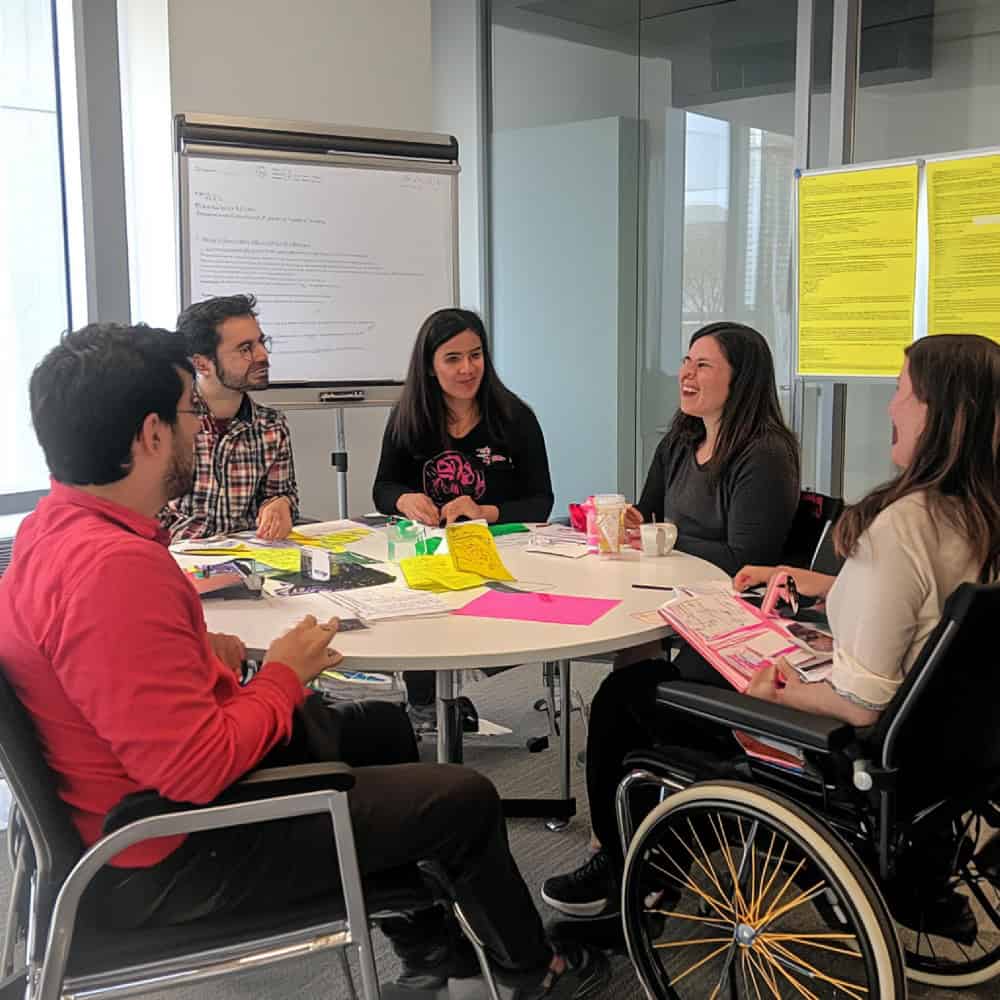
Building Daily Life Skills for People with Disabilities
EDSA is one of the best and most experienced teams that provides NDIS assistance with Daily Life Skills in Adelaide, aimed at improving the living quality of people with disabilities and helping them live with dignity. We promote independent living for NDIS participants through assistance with daily tasks under NDIS.
NDIS Assistance With Daily Life Support includes assessment, training, therapeutic interventions, strategy building, and direct assistance to help our participants live a better life. We offer NDIS participants support with everyday tasks such as personal hygiene, grooming, cooking, etc. in Adelaide.
Life is hard, and disability makes it even harder. People with moderate to severe disabilities find even the minor daily tasks challenging. Therefore, at EDSA, we provide daily living support with empathy and compassion. Our client-centric approach puts your physical and mental well-being at priority. Through our quarter century long career as NDIS providers, we have helped countless participants live an independent and dignified life through our NDIS services, including daily living skills NDIS support.
What Daily Living Skills covers
Line item 15_040 under Capacity Building funds supports that build your independence. The NDIS groups these as Improved Daily Living. The scope is broad and deliberately so. We work on whatever you are trying to get better at. Common focus areas:
- Cooking, from basic recipes to full meal planning
- Household routines — cleaning, laundry, bin nights
- Budgeting and money handling
- Shopping — writing a list, navigating the shop, paying at the register
- Personal hygiene routines — morning and evening self-care
- Using appliances safely — stove, microwave, washing machine
- Phone skills — calling for appointments, handling an unknown number
- Email and internet basics
- Medication management — reading labels, setting reminders, refills
- Getting to appointments on time

Ready to Take Control of Your Daily Routine?
Talk to our support team in Adelaide about starting your NDIS Daily Skills plan today.
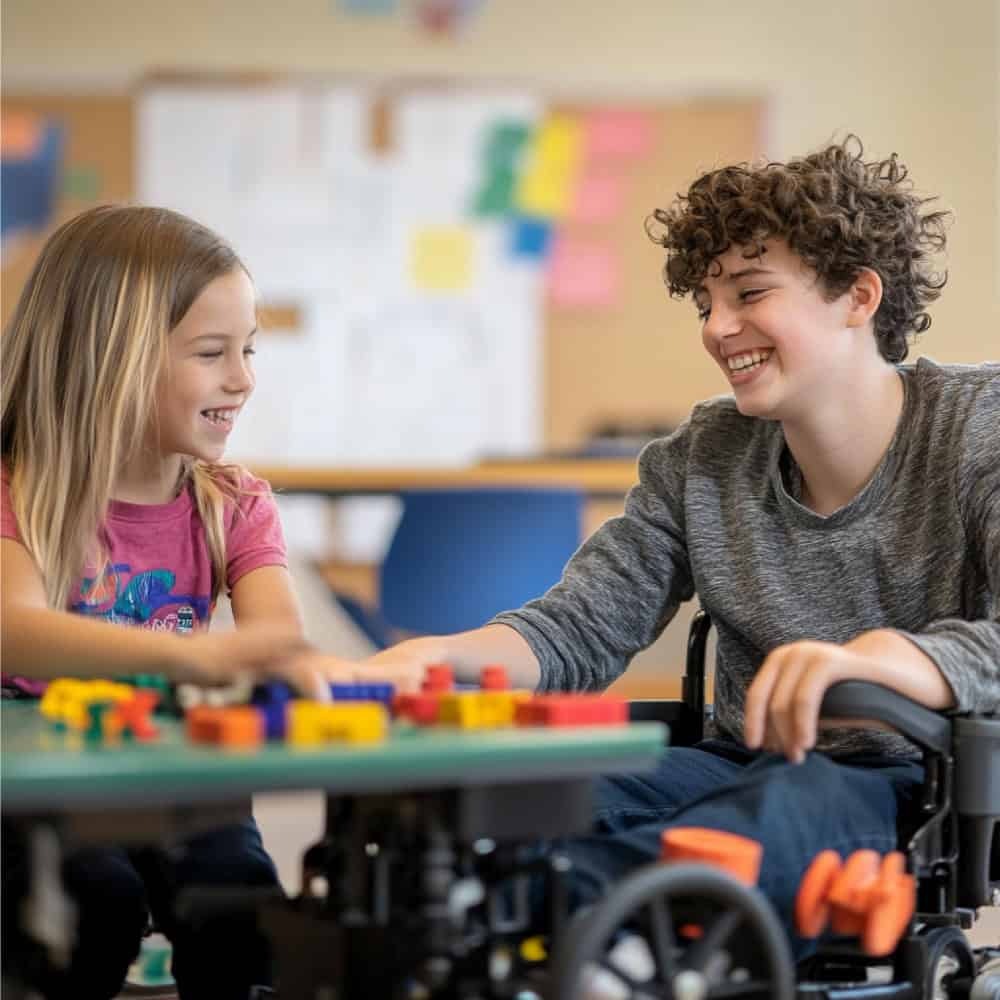
How it is different from Daily Personal Activities
Same subject (your daily routine), different approach.
Daily Personal Activities: the worker does the task, or does it alongside you, every time. Ongoing support, no end date.
Daily Living Skills: the worker coaches you through the task, hands it over gradually, and eventually pulls back. Time-limited, goal-focused. Plans are usually 6-12 months.
It is fine to have both. Some participants need ongoing personal care in the morning and skill-building sessions in the afternoon targeted at independent evening routines. NDIS funds them from different budgets, so they don’t compete.
How EDSA runs skill building sessions
Structured but not rigid
Each session has a goal (“cook a shepherd’s pie,” “catch the 265 bus to Marion Shopping Centre”) but we stay flexible about the route. Real life has interruptions, bad moods, and surprise deliveries. Good skill-building rolls with it.
Same worker every time
Skill building depends on the worker knowing what you struggle with and what you have already mastered. Rotating workers means starting from scratch each week. We assign one primary skills worker and occasionally a backup from the same team.
Goals documented and tracked
At the start of each goal, we write down what success looks like. Every 4-6 weeks we check in on progress with you. If something isn’t working, we change the approach. If you are racing ahead, we add new goals.
Handover moments
The best moment in skill building is the handover. You do the task without prompting, the worker stands back, and after a few weeks of that, you stop needing that support altogether. Our goal is to work ourselves out of the job, one skill at a time.
Who this suits
Daily Living Skills works best for participants who:
- Have the capacity to learn new routines with support
- Have a clear goal they actually care about (the motivation matters)
- Can tolerate being coached — some find this harder than being helped
- Have 6-12 months of consistent session time available
It suits teenagers and young adults preparing to move out, participants rebuilding routines after a hospital stay or mental health episode, and participants stepping down from higher support levels toward semi-independent living.
It is less suited to participants with progressive conditions where skills will degrade over time — in those cases ongoing Daily Personal Activities usually makes more sense.
Adelaide coverage
Skill building sessions happen in your home, in the community, or at a location relevant to the goal. If you are learning to shop at Westfield Marion, we meet there. If you are practising catching the bus, we do it on the actual route. Our workers cover the inner south, CBD, west and north-east Adelaide consistently.
Examples of recent skill building wins
- A 22-year-old learning to catch the tram from Glenelg to the city alone
- A participant budgeting a fortnightly NDIS support budget and pension, from scratch
- A young adult with ADHD setting up medication prompts that actually work for them
- A participant preparing three meals a week solo after six months of cooking alongside
- A young man with autism managing his own laundry routine after a 12-week program
- A participant handling her own GP appointments — booking, attending, following up

Ready to talk?
A 20-minute consultation is enough to know whether EDSA fits what you’re looking for. We will ask questions, listen, and tell you honestly whether we can deliver what you need.
Call: 0478 271 422
Email: info@edsadisability.com.au
Visit: 122 Morphett Road, Glengowrie SA 5044
Frequently asked questions
How long until I see progress?
Small wins show up in the first few weeks. Bigger independence, like travelling alone or cooking solo, usually takes 3-6 months. Occasional participants plateau and we adjust the goals. Progress is not linear.
Can my family learn the techniques the worker uses?
Yes. The worker can demonstrate techniques to your family so you get consistent support outside session times. This speeds everything up.
What if I can't manage a skill on my own after trying?
That is useful information. Not every skill is learnable for every participant at every point. We might revisit it in six months, or we might shift to a supported approach (Daily Personal Activities) for that specific task. No shame in adjusting.
How often are sessions?
Usually once or twice a week, for 1-3 hours per session. Short frequent sessions work better than long rare ones.
Is this only for young participants?
No. Plenty of our skill building participants are in their 30s, 40s, and 50s, learning or re-learning specific skills after changes in health, housing, or family support.
What happens when I hit my goals?
We review. Sometimes new goals come in (moving out, starting work, travelling). Sometimes the support ends and we hand over to occasional check-ins. Sometimes participants move to Social and Community Participation once the skills are solid.